Best Deep-Nude AI Apps? Prevent Harm With These Responsible Alternatives
There is no “top” Deepnude, strip app, or Garment Removal Application that is safe, lawful, or ethical to employ. If your aim is premium AI-powered artistry without hurting anyone, move to permission-focused alternatives and security tooling.
Search results and ads promising a realistic nude Generator or an AI undress tool are created to convert curiosity into harmful behavior. Several services advertised as N8ked, NudeDraw, Undress-Baby, AINudez, NudivaAI, or PornGen trade on sensational value and “undress your girlfriend” style content, but they operate in a lawful and moral gray zone, frequently breaching platform policies and, in various regions, the legal code. Despite when their output looks convincing, it is a fabricated content—synthetic, involuntary imagery that can retraumatize victims, destroy reputations, and expose users to criminal or legal liability. If you seek creative technology that honors people, you have improved options that do not focus on real individuals, do not produce NSFW content, and will not put your security at danger.
There is no safe “strip app”—below is the facts
Every online nude generator stating to eliminate clothes from pictures of real people is built for involuntary use. Despite “private” or “as fun” submissions are a data risk, and the product is continues to be abusive fabricated content.
Companies with titles like N8k3d, Draw-Nudes, Undress-Baby, AI-Nudez, NudivaAI, and PornGen market “realistic nude” results and one‑click clothing removal, but they give no authentic consent confirmation and seldom disclose file retention policies. Common patterns include recycled models behind different brand faces, ambiguous refund terms, and servers in relaxed jurisdictions where user images can be recorded or recycled. Billing processors and systems regularly prohibit these applications, which drives them into throwaway domains and makes chargebacks and assistance messy. Even if you ignore the harm to subjects, you are handing sensitive data to an unaccountable operator in exchange for a harmful ainudez.eu.com NSFW fabricated image.
How do machine learning undress applications actually operate?
They do not “uncover” a covered body; they generate a artificial one based on the original photo. The pipeline is typically segmentation and inpainting with a generative model educated on explicit datasets.
Most AI-powered undress applications segment clothing regions, then utilize a creative diffusion model to fill new content based on priors learned from extensive porn and naked datasets. The algorithm guesses shapes under material and composites skin textures and shading to align with pose and lighting, which is how hands, ornaments, seams, and backdrop often exhibit warping or conflicting reflections. Since it is a random Generator, running the same image various times produces different “figures”—a telltale sign of synthesis. This is fabricated imagery by design, and it is how no “lifelike nude” assertion can be compared with truth or consent.
The real dangers: lawful, responsible, and personal fallout
Involuntary AI naked images can violate laws, platform rules, and employment or educational codes. Victims suffer actual harm; producers and sharers can experience serious penalties.
Numerous jurisdictions prohibit distribution of non-consensual intimate images, and many now specifically include artificial intelligence deepfake porn; platform policies at Meta, ByteDance, Social platform, Discord, and primary hosts ban “stripping” content though in personal groups. In workplaces and academic facilities, possessing or spreading undress photos often initiates disciplinary consequences and technology audits. For subjects, the harm includes intimidation, image loss, and permanent search result contamination. For customers, there’s data exposure, payment fraud risk, and possible legal liability for creating or distributing synthetic porn of a genuine person without authorization.
Ethical, permission-based alternatives you can use today
If you are here for artistic expression, visual appeal, or graphic experimentation, there are safe, premium paths. Choose tools trained on approved data, created for authorization, and directed away from actual people.
Consent-based creative tools let you produce striking graphics without focusing on anyone. Creative Suite Firefly’s Creative Fill is built on Creative Stock and licensed sources, with content credentials to follow edits. Image library AI and Creative tool tools similarly center licensed content and stock subjects as opposed than actual individuals you know. Utilize these to investigate style, brightness, or clothing—never to mimic nudity of a specific person.
Secure image modification, avatars, and virtual models
Digital personas and synthetic models offer the fantasy layer without damaging anyone. They’re ideal for profile art, narrative, or merchandise mockups that stay SFW.
Apps like Set Player User create multi-platform avatars from a personal image and then discard or privately process sensitive data pursuant to their procedures. Artificial Photos provides fully artificial people with usage rights, beneficial when you want a image with obvious usage authorization. E‑commerce‑oriented “virtual model” platforms can try on outfits and show poses without using a real person’s physique. Keep your workflows SFW and refrain from using them for NSFW composites or “AI girls” that imitate someone you recognize.
Detection, surveillance, and removal support
Combine ethical creation with safety tooling. If you are worried about abuse, detection and hashing services assist you respond faster.
Synthetic content detection vendors such as Sensity, Content moderation Moderation, and Authenticity Defender provide classifiers and monitoring feeds; while incomplete, they can identify suspect photos and profiles at scale. StopNCII.org lets adults create a hash of personal images so sites can prevent non‑consensual sharing without collecting your photos. Spawning’s HaveIBeenTrained aids creators check if their art appears in open training sets and handle removals where offered. These tools don’t fix everything, but they shift power toward authorization and control.
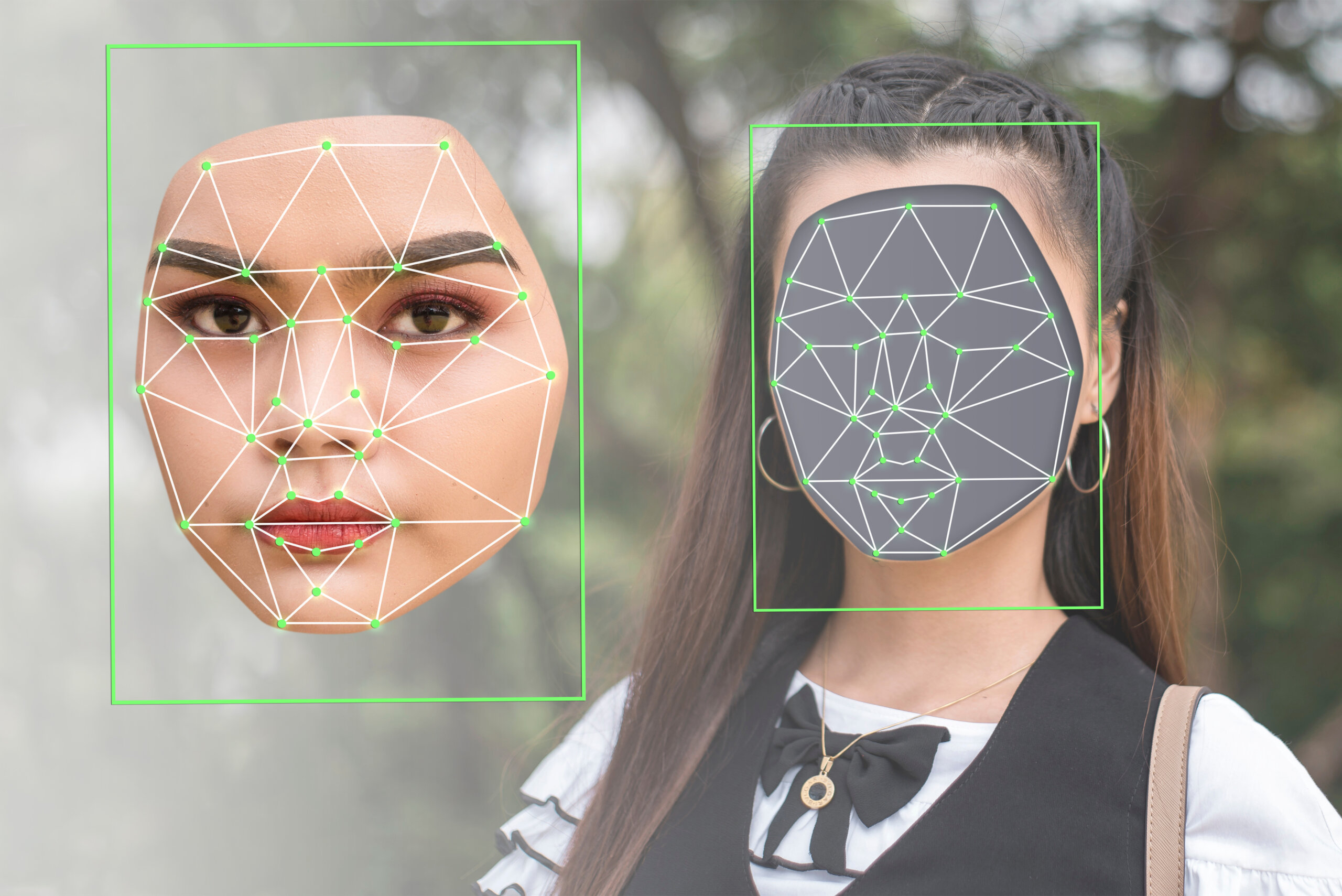
Ethical alternatives review
This snapshot highlights useful, authorization-focused tools you can employ instead of every undress application or Deepnude clone. Prices are indicative; check current rates and conditions before implementation.
| Tool |
Primary use |
Typical cost |
Data/data posture |
Notes |
| Adobe Firefly (Creative Fill) |
Licensed AI image editing |
Built into Creative Suite; restricted free credits |
Trained on Adobe Stock and authorized/public domain; material credentials |
Perfect for combinations and enhancement without targeting real persons |
| Design platform (with stock + AI) |
Creation and secure generative edits |
Complimentary tier; Advanced subscription offered |
Uses licensed media and safeguards for adult content |
Fast for advertising visuals; prevent NSFW prompts |
| Artificial Photos |
Fully synthetic person images |
Free samples; paid plans for higher resolution/licensing |
Synthetic dataset; clear usage licenses |
Use when you require faces without identity risks |
| Ready Player Me |
Universal avatars |
No-cost for users; creator plans vary |
Avatar‑focused; review application data handling |
Keep avatar generations SFW to avoid policy issues |
| Sensity / Content moderation Moderation |
Deepfake detection and tracking |
Corporate; reach sales |
Handles content for recognition; enterprise controls |
Utilize for organization or group safety activities |
| StopNCII.org |
Hashing to prevent involuntary intimate images |
No-cost |
Creates hashes on your device; will not store images |
Endorsed by primary platforms to block reposting |
Useful protection guide for persons
You can minimize your vulnerability and make abuse challenging. Protect down what you post, control dangerous uploads, and establish a evidence trail for deletions.
Set personal profiles private and clean public albums that could be scraped for “artificial intelligence undress” exploitation, particularly high‑resolution, front‑facing photos. Strip metadata from images before sharing and avoid images that show full body contours in tight clothing that stripping tools target. Insert subtle watermarks or material credentials where feasible to help prove provenance. Configure up Online Alerts for your name and execute periodic inverse image queries to identify impersonations. Maintain a directory with timestamped screenshots of harassment or fabricated images to enable rapid notification to platforms and, if required, authorities.
Uninstall undress apps, terminate subscriptions, and erase data
If you downloaded an undress app or purchased from a service, cut access and demand deletion instantly. Act fast to control data keeping and recurring charges.
On mobile, delete the app and go to your Mobile Store or Android Play payments page to stop any recurring charges; for online purchases, cancel billing in the transaction gateway and update associated credentials. Reach the company using the privacy email in their policy to demand account closure and data erasure under privacy law or consumer protection, and request for documented confirmation and a data inventory of what was kept. Remove uploaded images from every “gallery” or “log” features and delete cached files in your browser. If you believe unauthorized transactions or data misuse, alert your credit company, place a protection watch, and document all steps in case of challenge.
Where should you report deepnude and deepfake abuse?
Alert to the site, utilize hashing tools, and advance to regional authorities when statutes are broken. Save evidence and prevent engaging with harassers directly.
Utilize the report flow on the hosting site (social platform, message board, image host) and pick unauthorized intimate image or synthetic categories where available; provide URLs, timestamps, and identifiers if you possess them. For people, create a report with Anti-revenge porn to assist prevent reposting across partner platforms. If the subject is less than 18, contact your area child welfare hotline and use NCMEC’s Take It Remove program, which assists minors obtain intimate content removed. If menacing, blackmail, or following accompany the content, submit a police report and mention relevant non‑consensual imagery or cyber harassment regulations in your area. For offices or schools, alert the relevant compliance or Legal IX department to start formal protocols.
Authenticated facts that never make the advertising pages
Reality: Diffusion and fill-in models can’t “see through clothing”; they generate bodies based on data in education data, which is why running the identical photo two times yields different results.
Reality: Major platforms, containing Meta, TikTok, Discussion platform, and Discord, explicitly ban involuntary intimate imagery and “nudifying” or AI undress content, even in private groups or private communications.
Reality: Anti-revenge porn uses on‑device hashing so services can match and prevent images without saving or viewing your images; it is operated by Safety organization with backing from commercial partners.
Truth: The Authentication standard content credentials standard, supported by the Media Authenticity Project (Adobe, Technology company, Photography company, and more partners), is gaining adoption to create edits and artificial intelligence provenance followable.
Fact: AI training HaveIBeenTrained allows artists examine large public training collections and record removals that some model providers honor, improving consent around learning data.
Last takeaways
Regardless of matter how sophisticated the advertising, an undress app or Deepnude clone is constructed on non‑consensual deepfake content. Choosing ethical, authorization-focused tools offers you artistic freedom without damaging anyone or exposing yourself to legal and data protection risks.
If you find yourself tempted by “machine learning” adult technology tools offering instant garment removal, recognize the hazard: they can’t reveal reality, they frequently mishandle your data, and they force victims to fix up the consequences. Guide that curiosity into licensed creative processes, digital avatars, and security tech that respects boundaries. If you or a person you know is targeted, act quickly: notify, encode, watch, and log. Creativity thrives when consent is the baseline, not an afterthought.
